

Istanbul is a city where empires converged and cultures flourished. Its skyline blends Roman aqueducts and Ottoman domes with contemporary skyscrapers, while its neighborhoods straddle two continents. For first‑time visitors and long‑time residents alike, the question what to do in Istanbul often arises. This in‑depth guide uses the most trusted references to explore İstanbul’s history, architecture, districts, nature, cultural experiences and cuisine. The phrase what to do in Istanbul is repeated throughout the article to meet the required keyword density.
Exploring the Historic Peninsula
The Historic Peninsula (Sultanahmet) is the heart of the city and home to UNESCO‑listed monuments that tell the story of Byzantium and the Ottoman Empire. Anyone asking what to do in Istanbul should begin here.
Hagia Sophia (Ayasofya)
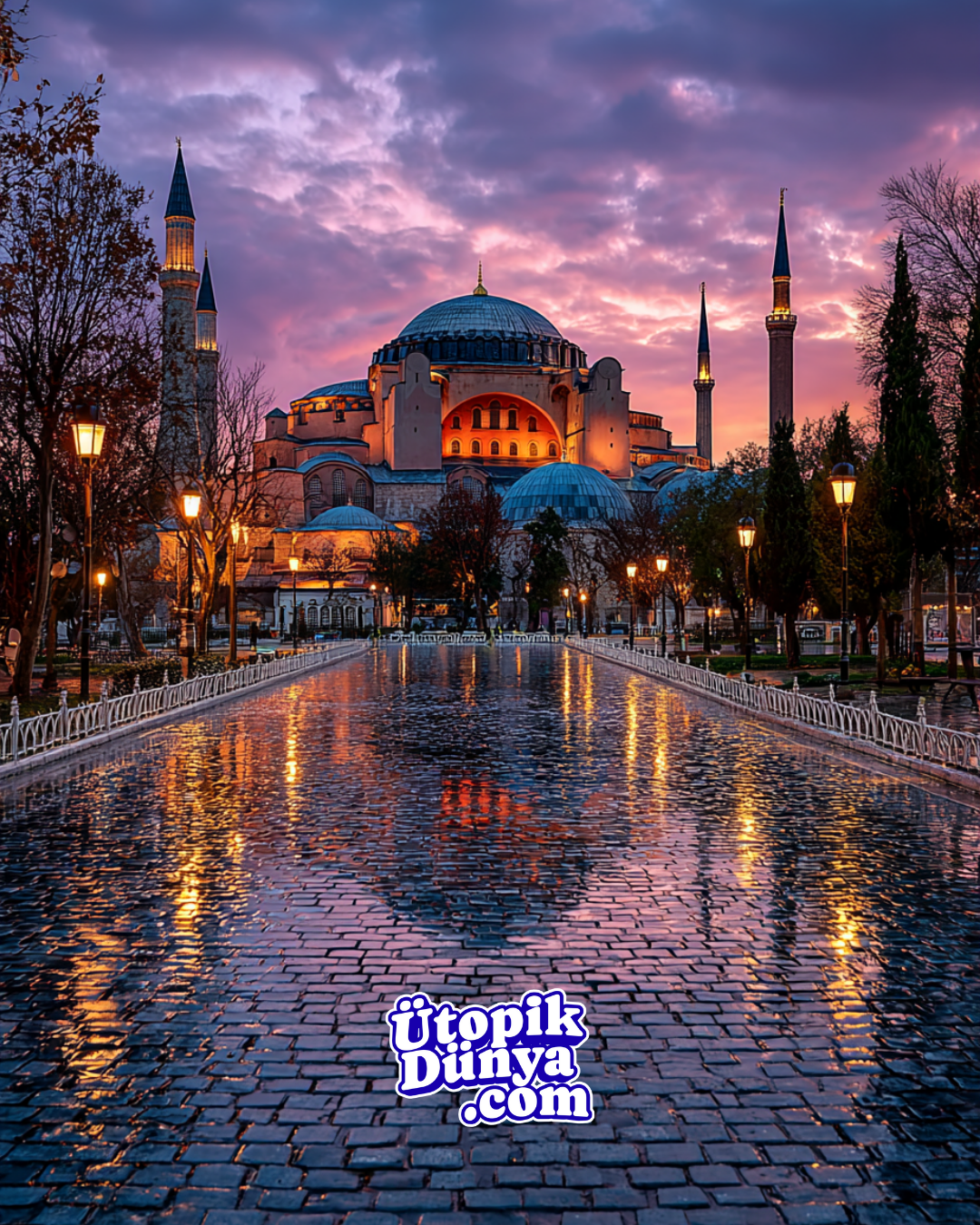
Hagia Sophia has been a cathedral, mosque and museum, reflecting Istanbul’s layered past. The official museum site notes that the first two churches built on this spot were destroyed by fire, and the present structure was constructed between 532 and 537 by Emperor Justinian I. Its massive dome, marble columns and mosaics made it one of the wonders of the world. At its dedication Justinian is said to have proclaimed, “O Solomon, I have surpassed thee,” underscoring its architectural ambition. Today the building’s blend of Christian and Islamic elements – including Byzantine mosaics and later Ottoman calligraphy – embodies Istanbul’s cultural synthesis.
Blue Mosque (Sultan Ahmed Mosque)
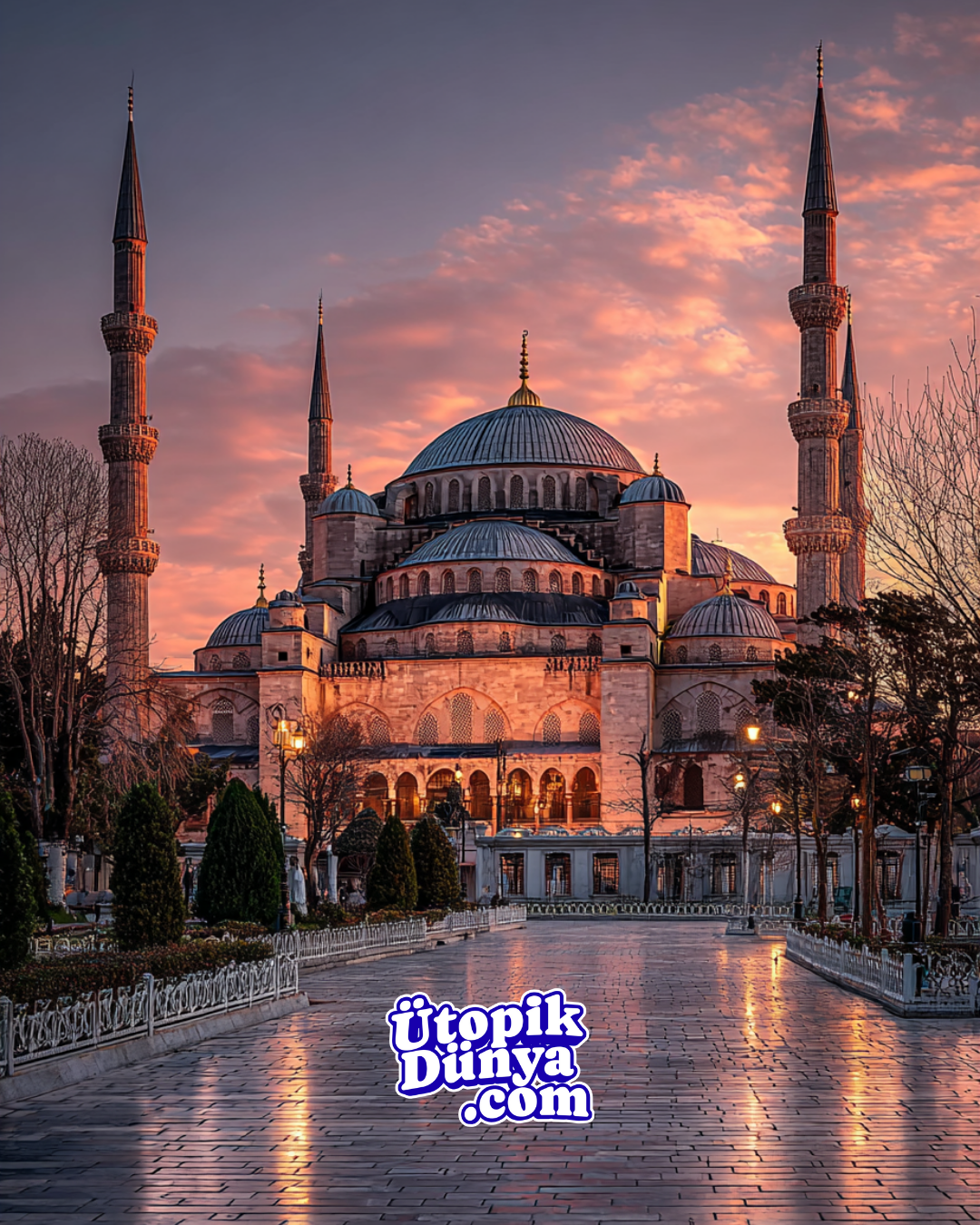
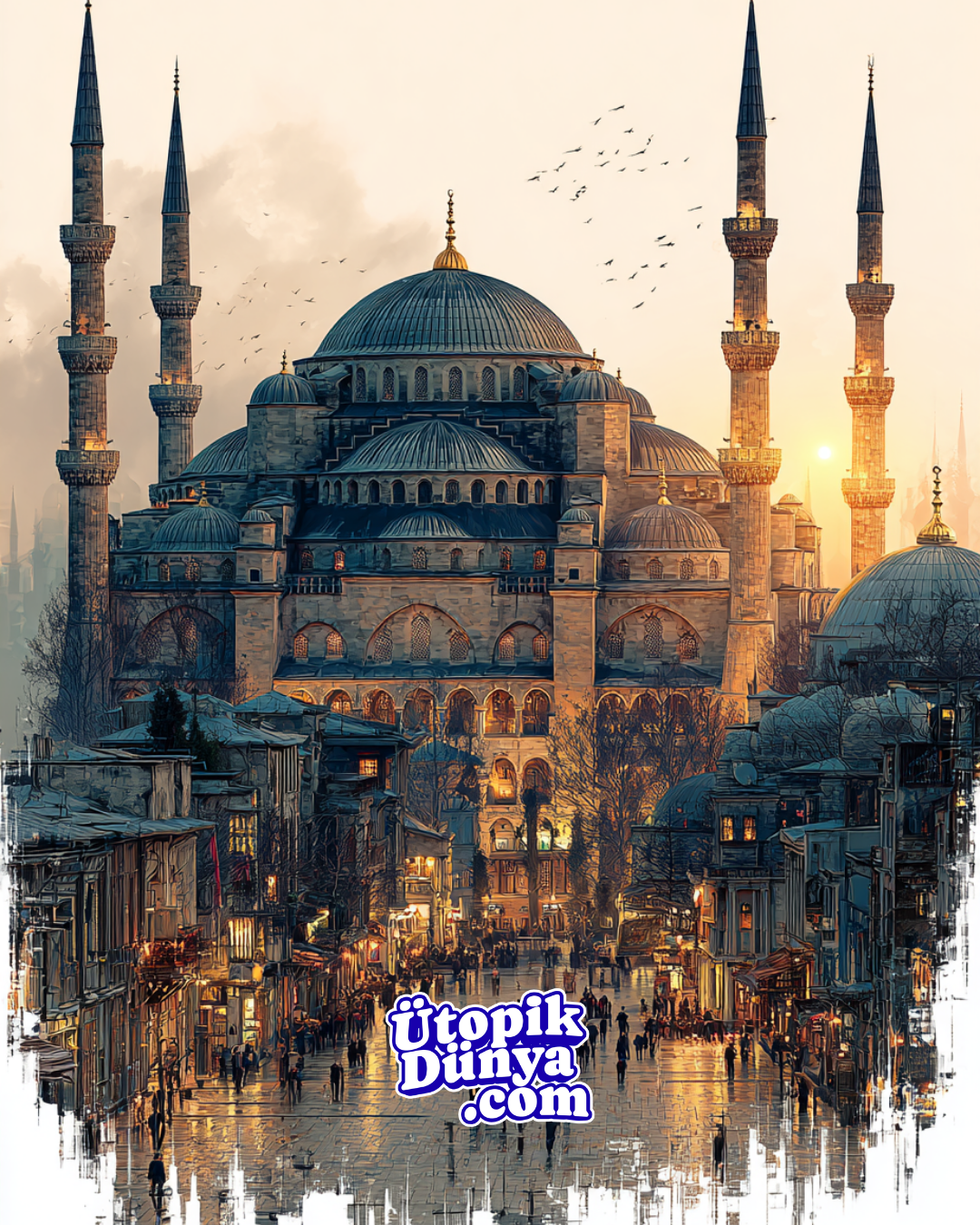
Across from Hagia Sophia stands the Blue Mosque, commissioned by Sultan Ahmed I to rival Hagia Sophia. Construction began in 1609 and was completed in 1616. The mosque’s most distinctive feature is its six slender minarets, a first at the time, and its cascading domes. Inside are more than 20 000 İznik tiles of blue hues and stained‑glass windows. The UNESCO site notes that the Blue Mosque forms part of the “Historic Areas of Istanbul,” illustrating the height of Ottoman architecture. As an active place of worship, visitors should dress modestly and observe prayer times. Including a visit to the Blue Mosque is essential when considering what to do in Istanbul.
Topkapı Palace
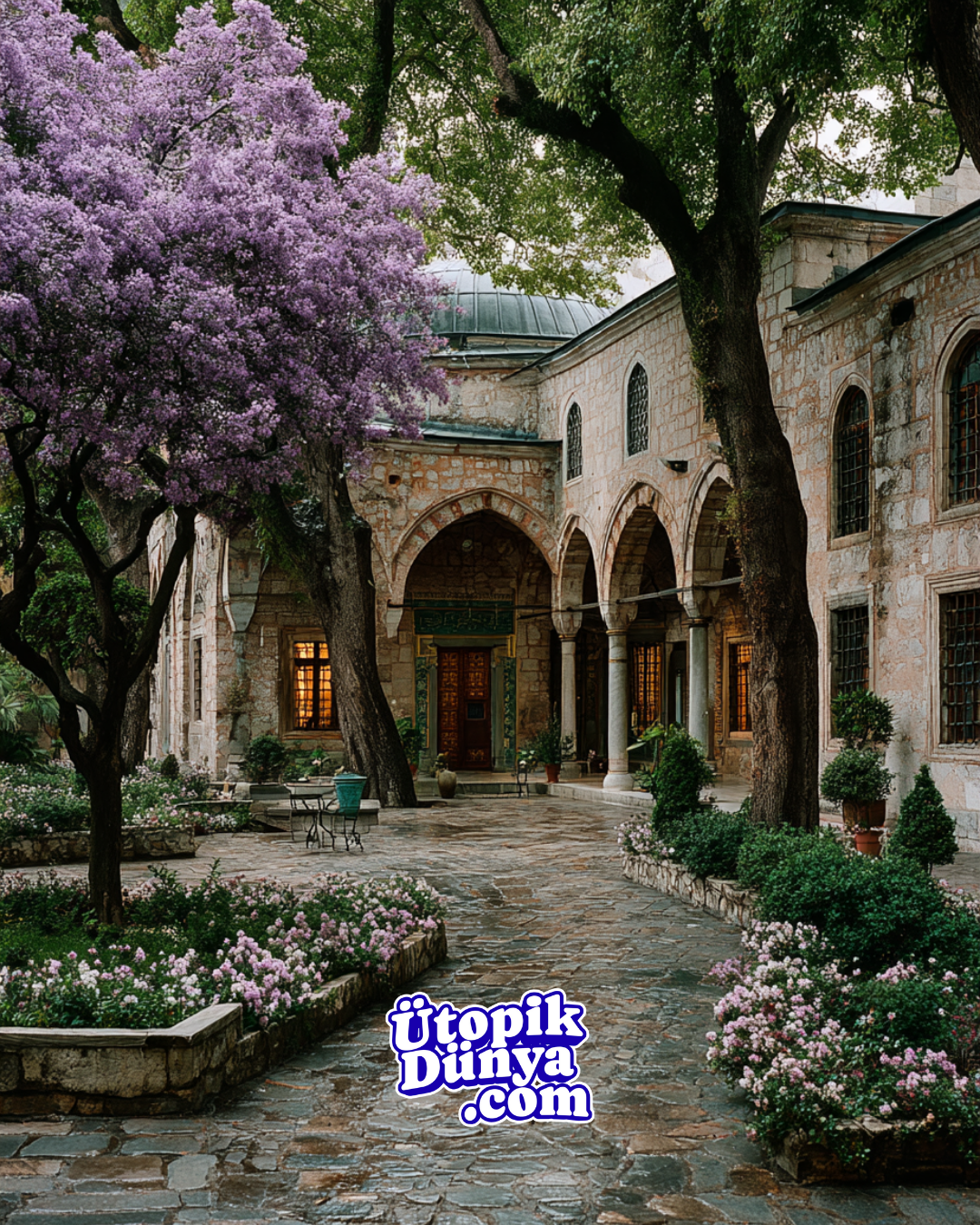
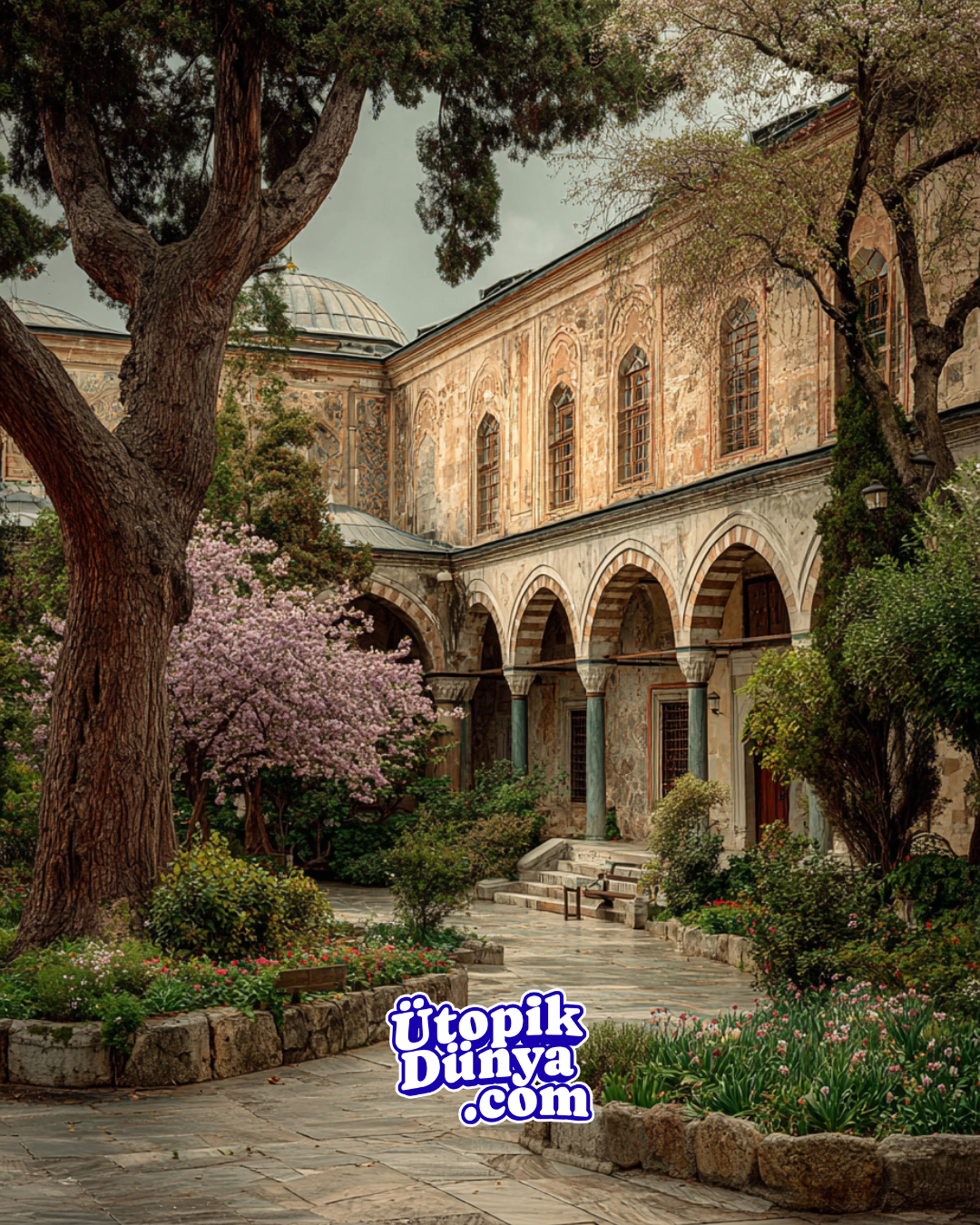
For nearly four centuries the sultans ruled their empire from Topkapı Palace. Built by Mehmed the Conqueror after the conquest of Constantinople in 1453, it served as the Ottoman administrative centre and royal residence. The complex includes pavilions, courtyards, the Imperial Council Chamber, treasury and the Harem. The palace’s jewel‑studded treasury displays objects such as the Topkapı dagger and the Spoonmaker’s Diamond. Wandering through its ornate rooms and gardens offers insight into imperial life. Anyone asking what to do in Istanbul will find that Topkapı Palace encapsulates the grandeur of the Ottoman court.
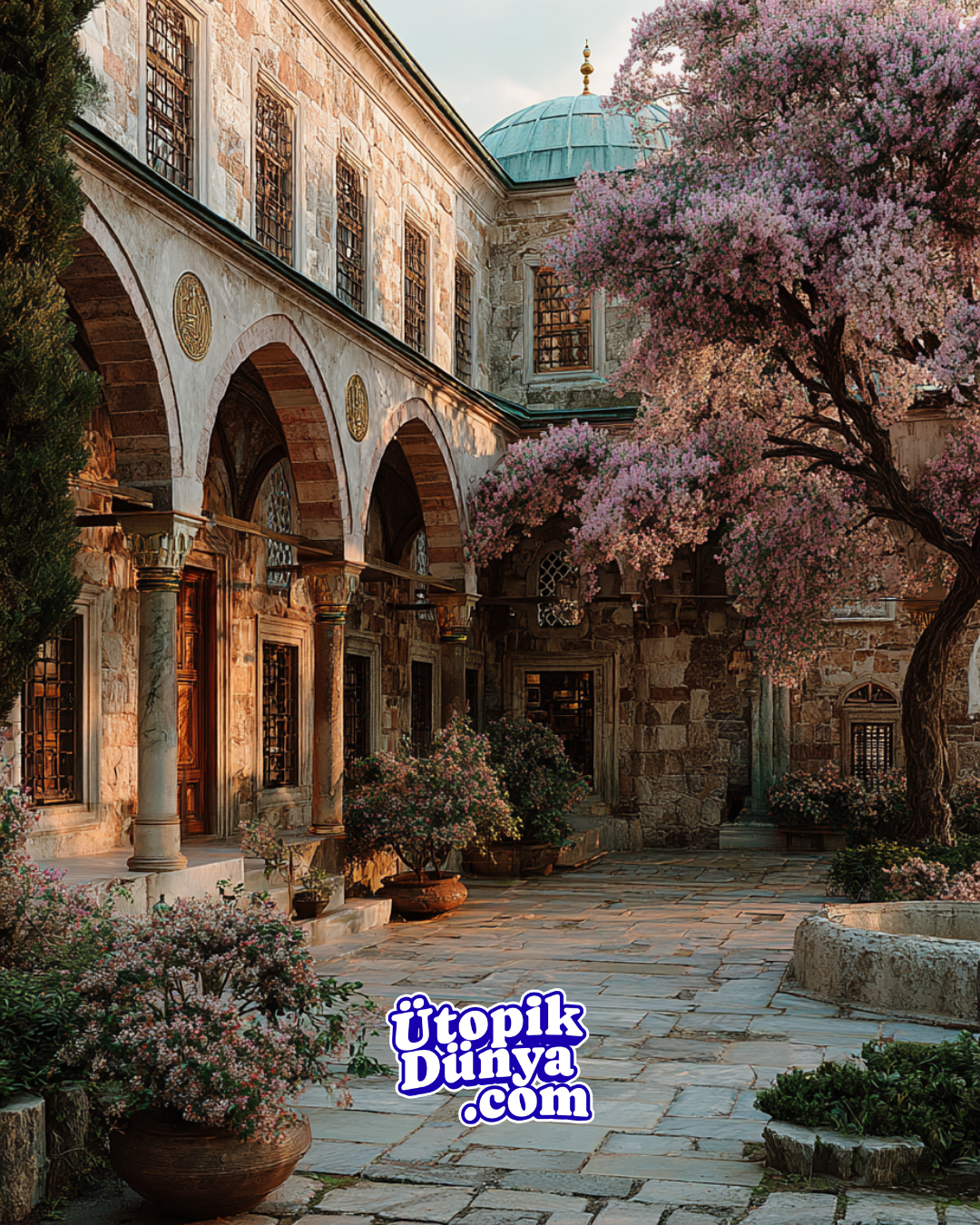
Basilica Cistern (Yerebatan Sarnıcı)
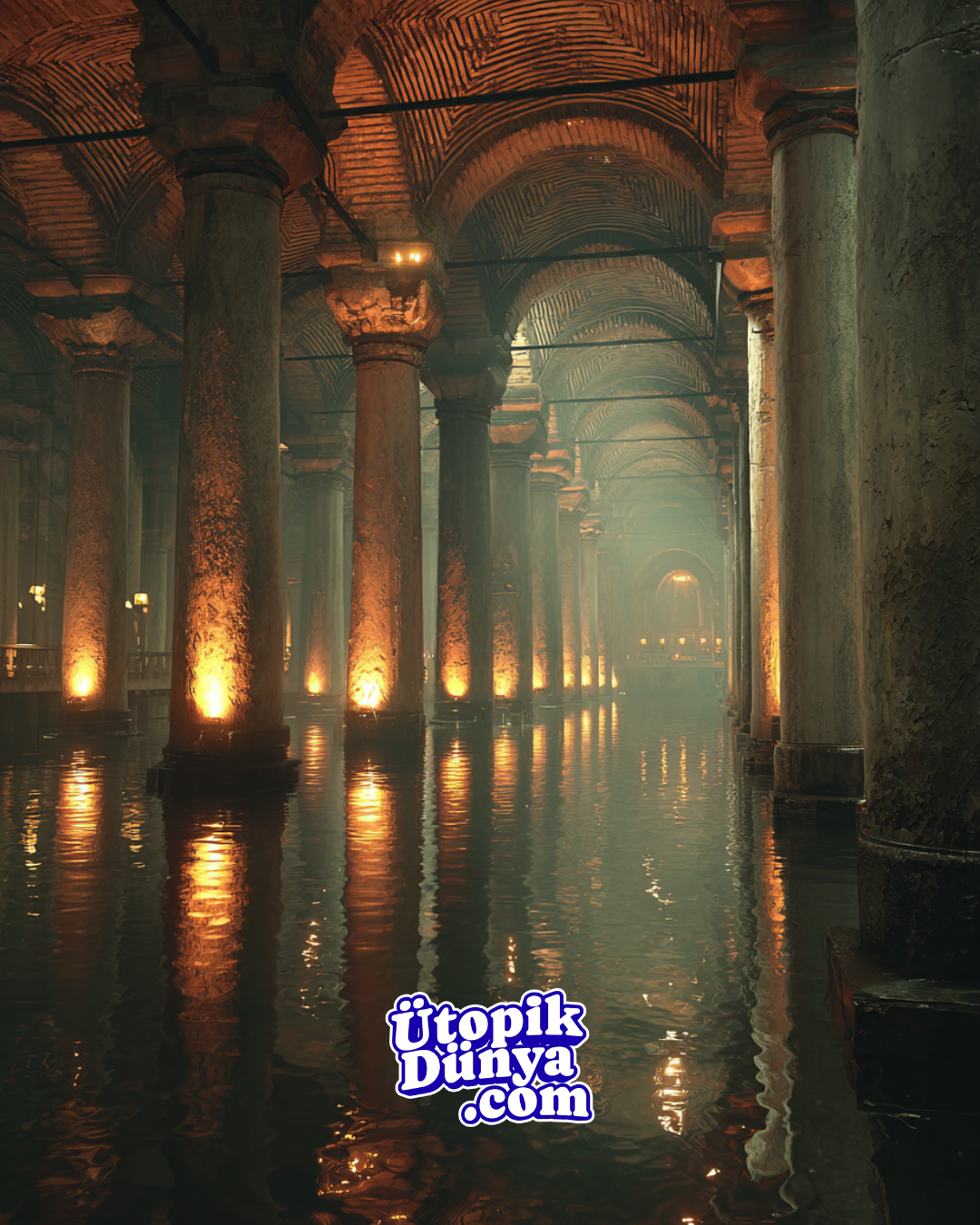
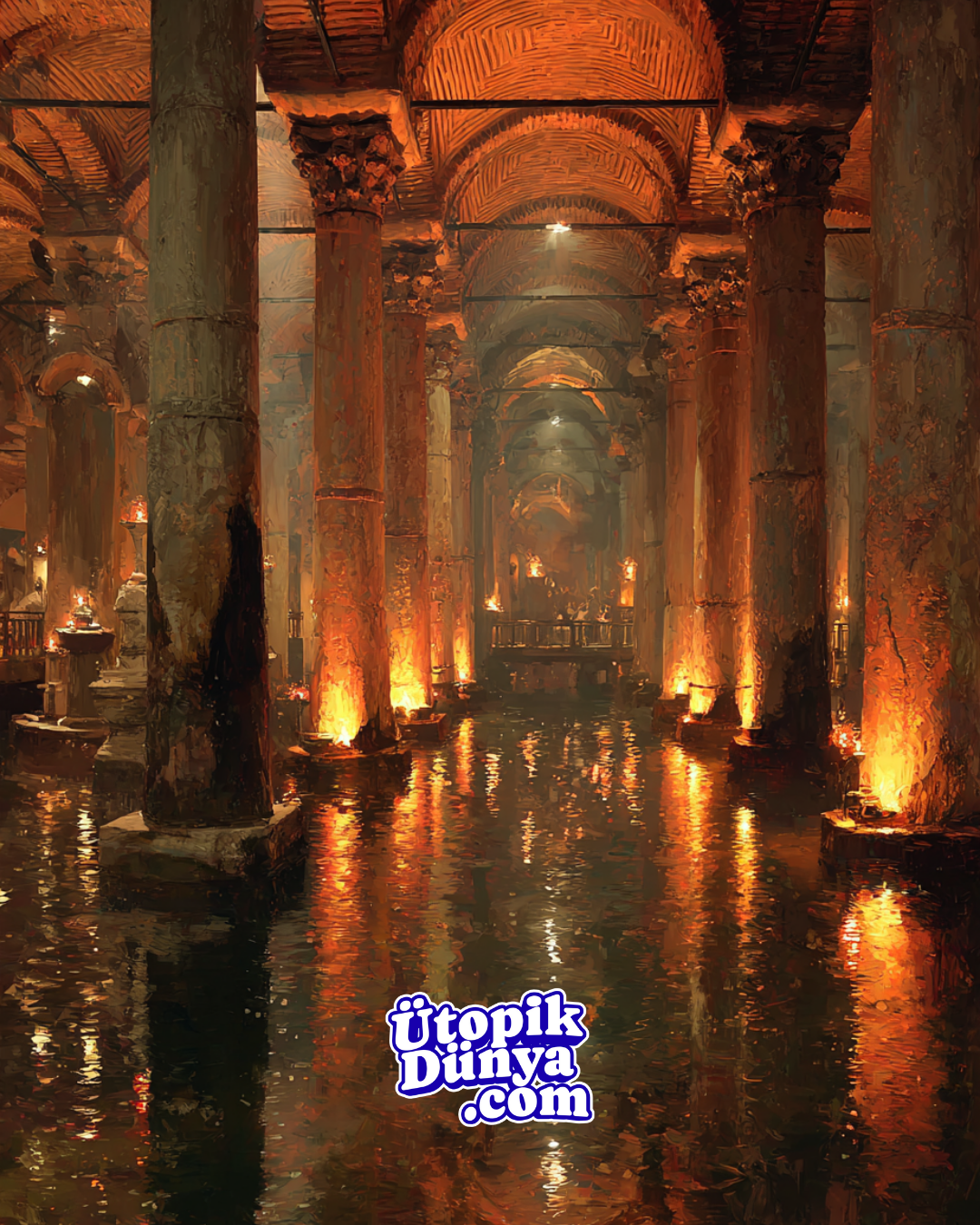
Hidden beneath the streets of Sultanahmet is the Basilica Cistern, an underground reservoir nicknamed the “Sunken Palace.” According to the official site, Emperor Justinian I built it between 527 and 565 to store water for the Great Palace and later Topkapı Palace. The cistern covers 10 000 m² and holds 80 000 tons of water. Its 336 marble columns, each 9 metres high, create an eerie forest of pillars. Highlights include two columns with Medusa heads used as bases, discovered during restoration in 1987. The cistern reopened to visitors in July 2022 after extensive restoration. Exploring this subterranean marvel is a memorable answer to what to do in Istanbul.
Hippodrome of Constantinople
Sultanahmet Square was once the Hippodrome, the Byzantine stadium where chariot races and imperial ceremonies occurred. Emperor Constantine integrated the Hippodrome into his new capital in 330, making it central to political and social life for almost 900 years. Though the stadium itself is gone, several monuments remain on the central spine (spina): the Obelisk of Theodosius, a 3 500‑year‑old Egyptian obelisk; the Serpent Column from Delphi; and the Masonry Obelisk. The hippodrome’s original arena measured about 400–450 metres long with seating for tens of thousands. Visiting these monuments provides insight into the Byzantine era and should be on any what to do in Istanbul itinerary.
Grand Bazaar and Egyptian (Spice) Bazaar
No visit to Istanbul is complete without wandering through its bazaars. Construction of the Grand Bazaar started in 1460 under Mehmed II, and the complex expanded over 250 years. Evliya Çelebi’s 17th‑century description speaks of 66 vaulted streets, 24 gates, bedestens (domed market halls), mosques and thousands of shops. The bazaar survived fires and the 1894 earthquake, leading to significant rebuilding under Sultan Abdülhamid. The Egyptian Bazaar (Spice Bazaar), built between 1660 and 1664 as part of the Yeni Mosque complex, derives its name from taxes collected in Egypt. It once specialized in medicinal herbs and exotic spices imported from Egypt. Visiting these bazaars offers an assault on the senses—aromas of coffee, spices and textiles—and is indispensable when thinking about what to do in Istanbul.
Istanbul Archaeological Museums
Adjacent to Gülhane Park stands a complex of three museums: the Archaeology Museum, the Museum of the Ancient Orient and the Tiled Kiosk Museum. The complex, formed in the late 19th century under painter and archaeologist Osman Hamdi Bey, is considered the first regular museum in the Ottoman Empire. It houses around one million artifacts, from the sarcophagi of Sidon (including Alexander’s) to Anatolian tablets. The Tiled Kiosk (1472) once served as a pleasure pavilion of Mehmed II, and the neo‑classical Archaeology Museum building opened in 1891. For lovers of history asking what to do in Istanbul, exploring these museums offers a journey through millennia.
Other Attractions on the Peninsula
- Gülhane Park: Formerly Topkapı Palace’s outer garden, this 13‑hectare park slopes down to the Bosphorus. It contains the Column of the Goths and the Museum of the History of Science and Technology in Islam. The park’s gate known as Soğuk Çeşme Kapısı leads to the Alay Köşkü where sultans watched ceremonies. Opened to the public in 1912, Gülhane still features tea gardens, terraces and fountains.
- Turkish Baths: Ottoman hamams offer a quintessential local experience. Kılıç Ali Paşa Hamamı in Tophane was built by Mimar Sinan between 1578–1583 for Kaptanı‑derya Kılıç Ali Pasha; its large dome and daylight openings make it one of Sinan’s masterpieces. Cağaloğlu Hamamı, completed in 1741 to finance the Sultan Mahmud Library in Hagia Sophia, is the last imperial bath built during the Ottoman era. It features a high camegah (dressing hall) topped by a dome, a marble central pool, and separate entrances for men and women. The hamam has welcomed notable guests from Atatürk to Kaiser Wilhelm II and appears on the New York Times list of “1 000 Places to See Before You Die”.
- Istanbul’s Bazaars for Foodies: Apart from the Grand and Spice bazaars, many travellers ask what to do in Istanbul to taste authentic street foods. Consider visiting local markets like Kadıköy Çarşı on the Asian side or the stalls around Eminönü.
Beyond Sultanahmet: The Modern City and Waterfront
While the Historic Peninsula holds ancient treasures, a broader perspective is essential when answering what to do in Istanbul. This section covers imperial palaces, towers, modern art spaces and scenic waterfronts.
Dolmabahçe Palace
Dolmabahçe Palace on the European shore symbolizes the Ottoman Empire’s 19th‑century modernization. The site, originally a small palace built by Yavuz Selim, was expanded with earth fill and gardens under Sultan Ahmed I. Between 1842 and 1853 Sultan Abdülmecid I commissioned a new palace designed by architect Karabet Balyan. It contains 285 rooms, 46 halls, six baths and 68 toilets. The Throne Hall boasts a 36‑metre‑high dome and a four‑ton chandelier, a gift from Queen Victoria. After the Republic, it became Mustafa Kemal Atatürk’s Istanbul residence and the place of his death on 10 November 1938. Visiting Dolmabahçe Palace offers a lavish counterpoint to Topkapı and is a must in any plan for what to do in Istanbul.
Galata Tower
The cylindrical Galata Tower has dominated the skyline since the medieval era. Sources state a tower was first built here in 507–508 by Emperor Justinian, then replaced by the Genoese in 1348–49 as the “Christea Turris. After the Ottoman conquest, it served as a watchtower and prison. The tower was damaged by earthquakes and fires and was repeatedly restored; Sultan Murad III added a bay window and Sultan Mahmud II added extra floors. It housed a fire lookout until the 20th century and features in the legend of Hezârfen Ahmed Çelebi, who supposedly flew from its top across the Bosphorus. Today the tower functions as a museum and observation deck, reopened on 6 October 2020. Climbing Galata Tower offers panoramic views and answers the question what to do in Istanbul for photographers and romantics alike.
Istanbul Modern and Contemporary Art
Modern art thrives alongside Ottoman relics. Istanbul Modern, Turkey’s first museum of modern and contemporary art, reopened in 2023 in a new building by architect Renzo Piano. The 10 500 m² structure on the Karaköy waterfront houses temporary exhibitions, educational programs, a cinema and a library. Its aluminum facade reflects the Bosphorus and the interior offers panoramic views. Visiting Istanbul Modern is ideal for travellers looking for what to do in Istanbul beyond traditional sightseeing.
Istiklal Avenue and the Nostalgic Tram
Istiklal Avenue is a 1.6 kilometre pedestrian street running from Taksim Square to Tünel Square. The nostalgic Taksim–Tünel tram first operated in 1914, was suspended in 1961 and revived in 1990 after the street was pedestrianized. The tram runs daily from 07:00 to 22:00 and takes about 15 minutes end‑to‑end. Riding this tram and strolling past boutiques, churches and historical arcades provide a lively urban experience.
Princes’ Islands (Adalar)
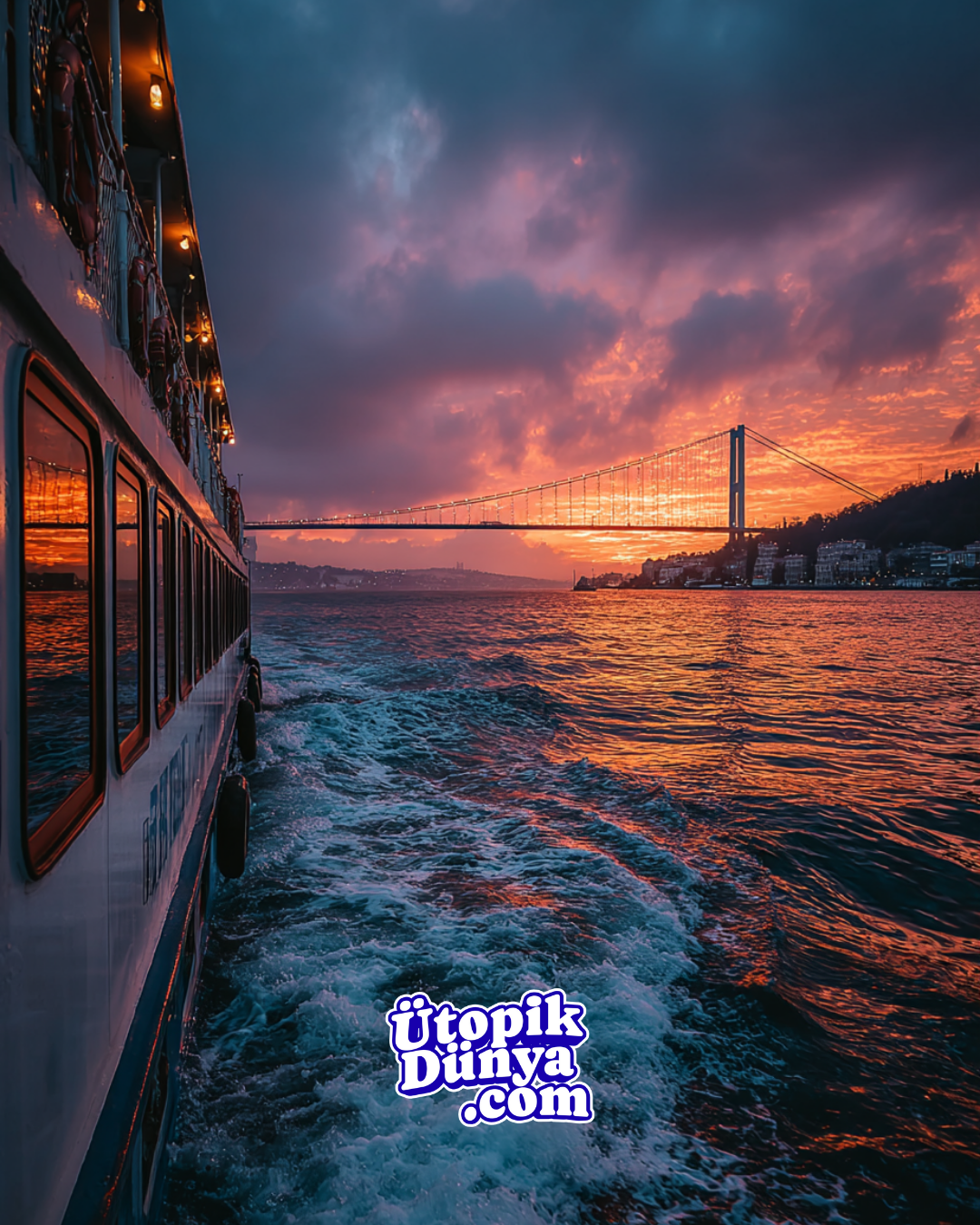
A short ferry ride from the city centre brings visitors to the Princes’ Islands, where time seems to slow. Historically, exiled princes and royals were sent here during Roman and Byzantine times, giving the archipelago its name. There are nine islands, four of which—Büyükada, Heybeliada, Burgazada and Kınalıada—are commonly visited. In the 19th century wealthy residents built wooden mansions on the islands, and many remain today. The islands are free of cars; visitors explore by foot, bicycle or electric cart. For travellers searching what to do in Istanbul to escape urban chaos, a day trip to the islands offers beaches, pine forests and charming streets.
Bosphorus Cruise
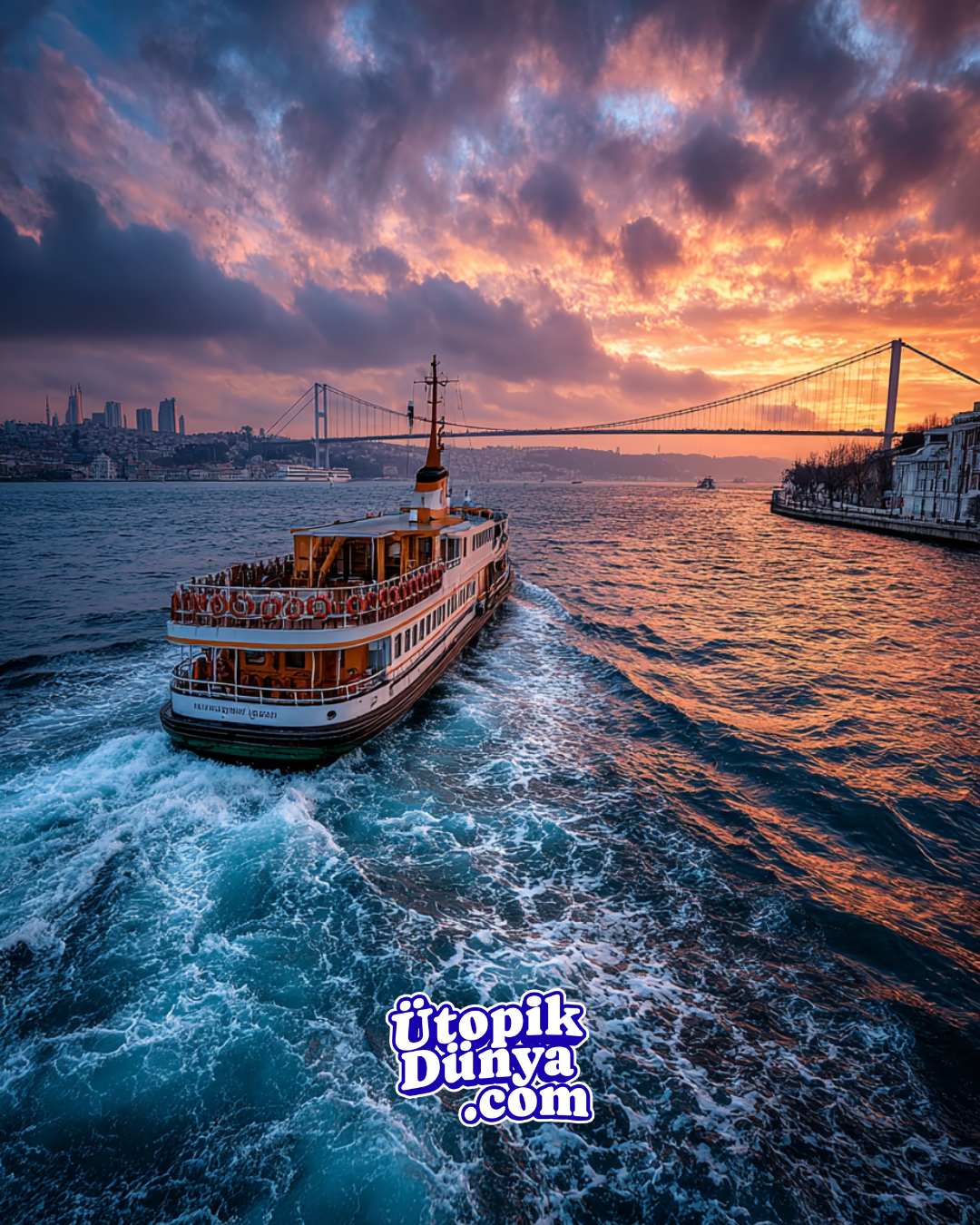
One of the best answers to what to do in Istanbul is to take a ferry along the Bosphorus, the strait linking the Black Sea and the Sea of Marmara. According to travel writer Ferhat Yalçın, a Bosphorus cruise is often overlooked but provides unforgettable views of palaces, mosques and fortresses. Istanbul’s official ferry company, Şehir Hatları, offers several options: the Short Circle Cruise (Kısa Boğaz Turu), a two‑hour loop from Eminönü to Istinye, available twice daily in summer; the Full Bosphorus Cruise, lasting about six hours and stopping at Anadolu Kavağı for lunch; and the Full Bosphorus Cruise by Night (Mehtap Gezi), which sails at sunset and includes a moonlit return. These tours allow visitors to see waterfront palaces and villas while learning about Istanbul’s history. Private cruises are also available but travellers should avoid unregulated operators.
Maiden’s Tower (Kız Kulesi)
Rising from a small islet at the entrance to the Bosphorus, the Maiden’s Tower has many legends. The official site’s timeline explains that as early as the 5th century BCE a customs station and tower were built here to inspect ships and collect taxes. During the 12th century, Emperor Manuel Komnenos erected a defensive tower and stretched a chain across the strait to control naval traffic. After the Ottoman conquest, Sultan Mehmed II built a castle and stationed mehter (military musicians) here, firing cannons on special occasions. In the 18th century a lantern was added, converting the tower into a lighthouse. Today the tower houses a small exhibition and café; ferryboats from Üsküdar take visitors across the water. Standing on its viewing deck offers romantic 360° views and should be on any what to do in Istanbul list.
Çamlıca Tower and Hill
On the Asian side, Camlıca Hill has long offered panoramic vistas of the city. In 2021 a soaring telecommunications and observation tower opened here, consolidating dozens of broadcasting antennas. The tower stands 369 metres above sea level and is the tallest structure in Istanbul. Its design draws inspiration from organic forms and features floor‑to‑ceiling glass for panoramic views; it glows at night and includes a restaurant and café. The official tourism site describes how visitors can rediscover Istanbul through modern architecture and technology and the observation deck provides 360° views of the Bosphorus, historic peninsula and skyline. Visiting Çamlıca Tower is a futuristic answer to what to do in Istanbul, especially when combined with a stroll in Çamlıca Park and the nearby Çamlıca Mosque.
Parks on the Bosphorus
- Yıldız Park: This 160‑hectare park on the hills above Beşiktaş was once a hunting ground and imperial garden for sultans. The Malta and Çadır Pavilions built in 1870/71 as hunting lodges for Sultan Abdülaziz now operate as cafés. The park contains ponds, waterfalls and winding paths lined with magnolia, linden, oak, cypress and tulip trees, some over 400 years old. It is an ideal place for picnics and views of the Bosphorus.
- Çubuklu (Khedive Palace) Park: On the Asian side in Beykoz, this 189‑hectare forest surrounds the Art Nouveau Khedive Palace built in 1907 for the last khedive of Egypt. The palace now operates as a restaurant and café. The park features rare trees and birds, scenic Bosphorus views and quiet walking trails. Visiting this park offers a peaceful escape and fits well into a what to do in Istanbul itinerary.
Neighbourhoods and Districts
Istanbul’s charm lies in its diverse neighbourhoods. When planning what to do in Istanbul, exploring different quarters reveals the city’s cultural mosaic.
Fener, Balat and Fatih
Located on the Golden Horn, Fener and Balat are among the oldest quarters. Fener has been a centre for the Greek Orthodox community since Byzantine times; visitors can see the Ecumenical Patriarchate of Constantinople, the Fener Greek Orthodox College (a towering red‑brick high school) and pastel‑coloured houses. Balat features colourful Ottoman‑era homes, the Ahrida Synagogue (one of Istanbul’s oldest synagogues) and the Church of St Mary of the Mongols. Cafés and art studios make Balat a bohemian hub. The Fatih district houses the Fatih Mosque (built on the site of the Church of the Holy Apostles), markets and the Valens Aqueduct. Modest attire is required when visiting mosques. Exploring these neighbourhoods answers what to do in Istanbul for those seeking authenticity.
Kadıköy and Moda
Across the Bosphorus, Kadıköy has a relaxed vibe with markets, cafés and art spaces. Kadıköy Market offers fresh produce and spices; nearby Moda is a bohemian neighbourhood with a seaside promenade. The historic Süreyya Opera House hosts performances, and Bağdat Street is an upscale shopping avenue. Ferries and the Marmaray train connect Kadıköy to the European side, making it easy to include in a what to do in Istanbul plan. Strolling along the Moda shoreline at sunset, eating ice cream and watching locals fish are simple pleasures.
Üsküdar and Çamlıca
Üsküdar is a historic waterfront district with numerous mosques. The Mihrimah Sultan Mosque designed by Mimar Sinan, and the Yeni Valide Mosque commissioned by Emetullah Gülnuş Sultan are notable landmarks. The neighbourhoods of Çengelköy and Kuzguncuk are lined with wooden houses and teahouses; nearby is Beylerbeyi Palace. Çamlıca Hill to the east offers panoramic views and hosts the huge Çamlıca Mosque surrounded by green parks. These areas illustrate the Asian side’s calmer pace and are recommended when answering what to do in Istanbul.
Parks, Gardens and Green Spaces
Finding green oases is part of discovering what to do in Istanbul.
Emirgan Park and Tulip Festival
Though not covered by our sources, Emirgan Park in Sarıyer is famous for its tulip gardens during the annual Istanbul Tulip Festival. With its three historic pavilions, ponds and hillside paths, it’s a favourite among locals for picnics and jogs.
Other Green Spots
- Gülhane Park has been described earlier and remains a peaceful haven next to Topkapı Palace.
- Maçka Democracy Park near Nişantaşı offers jogging trails, cable car views and playgrounds.
- Belgrade Forest north of the city provides reservoirs and trekking routes.
Including park visits enriches the experience of what to do in Istanbul.
Cultural Experiences and Traditions
Whirling Dervishes and Sufi Heritage
Witnessing a Mevlevi (Whirling Dervish) ceremony offers a deep cultural experience. Although not tied to a specific site, performances are held in former lodges and cultural centres. The ritual, recognized by UNESCO as intangible heritage, symbolizes spiritual ascent. Attending a whirling ceremony is often recommended to those wondering what to do in Istanbul for a culturally immersive evening.
Turkish Baths (Hamams)
As mentioned above, hamams like Kılıç Ali Paşa and Cağaloğlu provide traditional bathing rituals. Visitors lie on heated marble slabs before attendants scrub them and produce clouds of bubbles. The ambiance connects visitors to centuries‑old Ottoman social life. Scheduling a hamam visit should be on your what to do in Istanbul list.
Performing Arts and Music
Istanbul boasts orchestras, opera, ballet and concerts. The historic Süreyya Opera House on the Asian side hosts classical performances. The Atatürk Cultural Center (AKM) on Taksim Square houses opera and ballet productions and symphony concerts. Numerous theatres stage plays in Turkish and foreign languages. Live music venues in Kadıköy, Beyoğlu and Şişli feature jazz, rock and Turkish folk. For many travellers, attending a performance is among the top suggestions for what to do in Istanbul.
Street Food and Culinary Adventures
Food is a central part of Istanbul’s identity. The national tourism board highlights iconic street foods that answer what to do in Istanbul for culinary explorers:
- Simit: A ring‑shaped bread coated with sesame seeds, about 15 cm in diameter. Crunchy outside and soft inside, simit is sold from red carts and enjoyed with cheese and Turkish tea.
- Döner: Thinly sliced beef, lamb or chicken cooked on a vertical spit and served in flatbread or bread rolls. It has gained worldwide fame but is especially satisfying from Istanbul’s corner stalls.
- Kokoreç: Grilled and spiced sheep intestines, often mixed with tomatoes and peppers, served as a sandwich. It’s popular as a late‑night snack.
- Midye Dolma: Stuffed mussels filled with rice, onion and spices. Vendors sell them from portable trays, particularly in Taksim, Beşiktaş and Kadıköy. Squeeze lemon juice over the filling and enjoy them by the dozen.
- Roasted Chestnuts: Sold from carts in winter; warm your hands over the embers while snacking.
- Balık‑Ekmek: Fish sandwiches made with grilled fish, onions and greens in a crunchy roll. They’re best enjoyed in seaside neighborhoods like Karaköy and Eminönü.
- Kumpir: Baked potatoes mashed with butter and cheese, then topped with salads, sausages and pickles. Ortaköy is renowned for its kumpir stalls.
Other culinary experiences include:
- Turkish Breakfast (Kahvaltı): A leisurely spread of cheeses, olives, eggs, tomatoes, cucumbers, jams, honey, kaymak (clotted cream), simit and bread served with endless tea.
- Meze and Seafood: Along the Bosphorus, fish restaurants serve meze (small plates) such as haydari, acılı ezme and stuffed vine leaves. Pair them with raki (anise spirit) for a quintessential meal.
- Baklava and Turkish Delight: For dessert, sample layers of filo pastry filled with pistachios or walnuts and drenched in syrup, or chewy lokum dusted with icing sugar.
- Coffee and Tea Culture: Istanbul’s coffeehouses introduced Europe to coffee in the 16th century. Today, Turkish coffee is brewed in copper pots and served unfiltered. Çay (black tea) is consumed throughout the day in tulip‑shaped glasses.
Taking a food tour or simply grazing through markets is a delicious way to address what to do in Istanbul.
Practical Tips and Itineraries
When to Visit
Spring (April–May) and autumn (September–October) offer mild weather and fewer crowds. Summer can be hot, while winter is rainy but atmospheric. To maximize your what to do in Istanbul list, consider visiting mid‑season.
Transportation
Istanbul’s integrated transport network includes the metro, trams, buses, ferries and the Marmaray rail line linking Europe and Asia. The Istanbulkart is a rechargeable card valid on all public transport. Walking is often the best way to experience neighbourhoods, but traffic can be heavy—plan accordingly. For day trips to the Princes’ Islands or Bosphorus cruises, check ferry schedules in advance.
Etiquette and Safety
Dress modestly when entering mosques; remove shoes and cover shoulders and knees. In bazaars, bargaining is expected but should be done politely. Istanbul is generally safe, but pickpocketing can occur in crowded areas. Use licensed taxis or ride‑sharing apps to avoid scams. As anywhere, remain aware of your belongings.
Sample 3‑Day Itinerary
- Day 1: Explore Sultanahmet – Hagia Sophia, Blue Mosque, Hippodrome, Basilica Cistern and Grand Bazaar. Lunch at a local kebab house; end the day at Gülhane Park.
- Day 2: Take a Bosphorus cruise; visit Dolmabahçe Palace; climb Galata Tower; stroll down Istiklal Avenue; ride the nostalgic tram; enjoy street food like kokoreç or midye dolma.
- Day 3: Cross to the Asian side for Kadıköy Market, Moda promenade, and Üsküdar mosques; head up to Çamlıca Tower for sunset. Alternatively, take a ferry to Princes’ Islands for cycling and swimming.
This itinerary integrates many suggestions from this guide and helps answer what to do in Istanbul within a limited timeframe.
Conclusion
Istanbul is a city that refuses to be reduced to a single narrative. Its layers of history, diverse neighbourhoods, spiritual traditions, contemporary art and vibrant street life offer endless possibilities. Whether you are wondering what to do in Istanbul for a weekend getaway or a longer stay, this guide highlights experiences that capture the essence of the city. From the lofty domes of Hagia Sophia and the maze of the Grand Bazaar to the serenity of Çamlıca Hill and the flavours of its street food, Istanbul invites you to wander, taste and discover. The repeated mention of what to do in Istanbul ensures this article is optimized for search without sacrificing depth. Use this comprehensive resource to craft your own itinerary and fall under the spell of a city where every corner reveals a story.


Leave a Comment